Alternative Protein
Alternative Protein
- Alternative protein refers to protein extracted from various sources such as plants or insects, primarily used to replace animal protein.
The Value of Insects

Environmental Value Compared to Livestock Farming
- Water consumption reduced by at least 5 to 1000 times
- Feed supply reduced by 3 to 30 times
- Carbon emissions reduced by at least 3 times

Nutritional Value Nutrient Comparison
- Contains 50% to 80% or more rich protein
- Contains 10% to 40% or more unsaturated fatty acids
- Contains a large amount of other vitamins and minerals

Socio-Economic Value The Crisis of Food Shortages
- According to the FAO (Food and Agriculture Organization) report, by 2050, the world population is expected to reach 9.1 billion, leading to a crisis of food shortages.
Insect Specialized Business Company
-
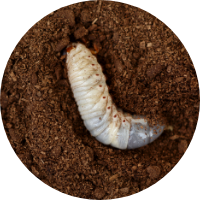
Breeding and Processing
- Direct Breeding: Larvae, Crickets, Mealworms
- Commissioned Breeding: Black Soldier Flies
-
Materialization
- Insect Protein + Domestic Agricultural and Fishery Products + Functional Substances
-

Commercialization
- Feed Market: Pets, Exotic Animals, Aquaculture, Industrial Animals
- Food Market: Protein Supplements (Fitness, Elderly)
-

Distribution and Consumption
- Domestic Market and Overseas Market
Plant-Based Protein
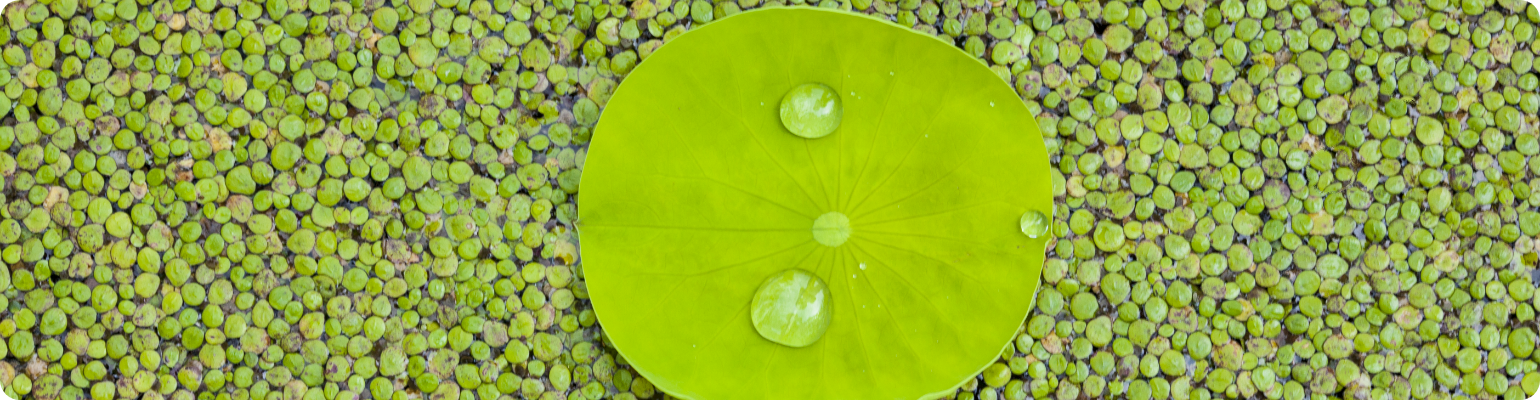
Duckweed
- Incredible breeding capability, with a growth rate so fast that it doubles in size within 48 hours
- Unlike other plants with cropping cycles, it grows well anywhere, making stable supply possible
- Produces more than 10 times the protein per area compared to soybeans, while consuming only one-tenth the amount of water needed to grow crops